

Imagine you have a flight to catch to Puerto Rico on Monday morning. This trip is your first holiday in six months, and you’ve been eagerly anticipating it. The excitement builds as you pack your bags and head to the airport. But, as you reach the check-in counter, disaster strikes. During the check-in process, your passport somehow gets mixed up, and you end up with a passport belonging to someone else complete with a different name and face. The airport officials refuse to let you proceed past the boarding gate because your identity cannot be validated.
This scenario underscores the importance of user identity in everyday life, and it mirrors the critical role identity plays in cybersecurity.

User identity is the cornerstone of access control in cybersecurity. It ensures that only authorised individuals can access specific resources, systems, or networks. Here’s why it’s so crucial:
Authentication and Authorisation
Authentication verifies who you are, while authorisation determines what you are allowed to do. Just as airport security checks your passport to confirm your identity before allowing you to board the plane, cybersecurity systems use authentication to verify user identities before granting access to sensitive data or systems.
Preventing Unauthorised Access
In the same way that you cannot board a flight without proper identification, robust identity management systems prevent unauthorised users from accessing sensitive resources. This reduces the risk of data breaches and unauthorised transactions.
Maintaining Data Integrity and Confidentiality
Effective identity management ensures that data is only accessible to those who have the right credentials, maintaining the integrity and confidentiality of sensitive information. This is similar to ensuring that only passengers with valid tickets and identification can board a plane, thus protecting the integrity of the flight’s passenger list.
Key Elements of User Identity Management
Strong Passwords
Just as a valid passport is a secure document that verifies your identity, a strong password is crucial in safeguarding your online identity. Passwords should be complex, unique, and regularly updated to protect against unauthorized access.
Multi-Factor Authentication (MFA)
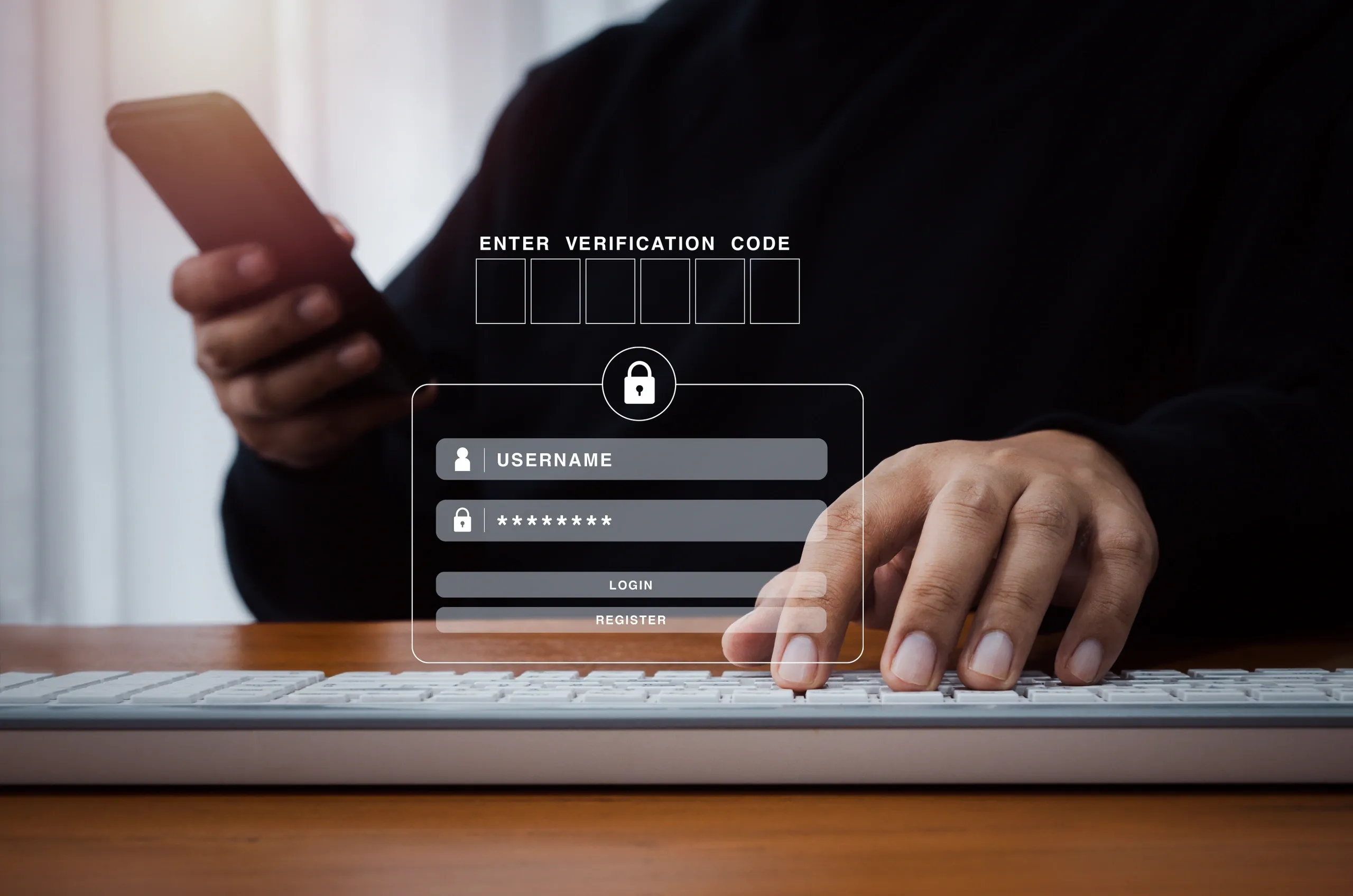
MFA adds an additional layer of security by requiring multiple forms of verification before granting access. This is like having to show both your valid passport and a boarding pass at the gate, making it significantly harder for someone to impersonate you.
Privileged Access Management
Managing privileged accounts is similar to giving only certain personnel access to the cockpit. These accounts have elevated permissions and require stringent controls to prevent misuse.
Regular Audits and Access Reviews
Just as airlines regularly review and audit passenger lists and security protocols, organisations should regularly review access permissions and audit user activities to ensure that only authorised users have access to sensitive resources.
This blog post highlights the critical importance of user identity in cybersecurity. Just as a valid passport is essential for verifying your identity at the airport, strong authentication is essential for ensuring that only authorised users can access sensitive digital resources.
Authentication acts as the gatekeeper, preventing unauthorised access and safeguarding data integrity and confidentiality. By implementing strong passwords, multi-factor authentication (MFA), and privileged access management, organisations can significantly enhance their security posture, protecting their systems from potential breaches and ensure that their digital assets remain secure.